BackgroundIncludes press-layer reports
- Event date (reported)
- Published
- Last updated
Background This event is more than 90 days older than this page. It is kept here as dated context, not as current news.
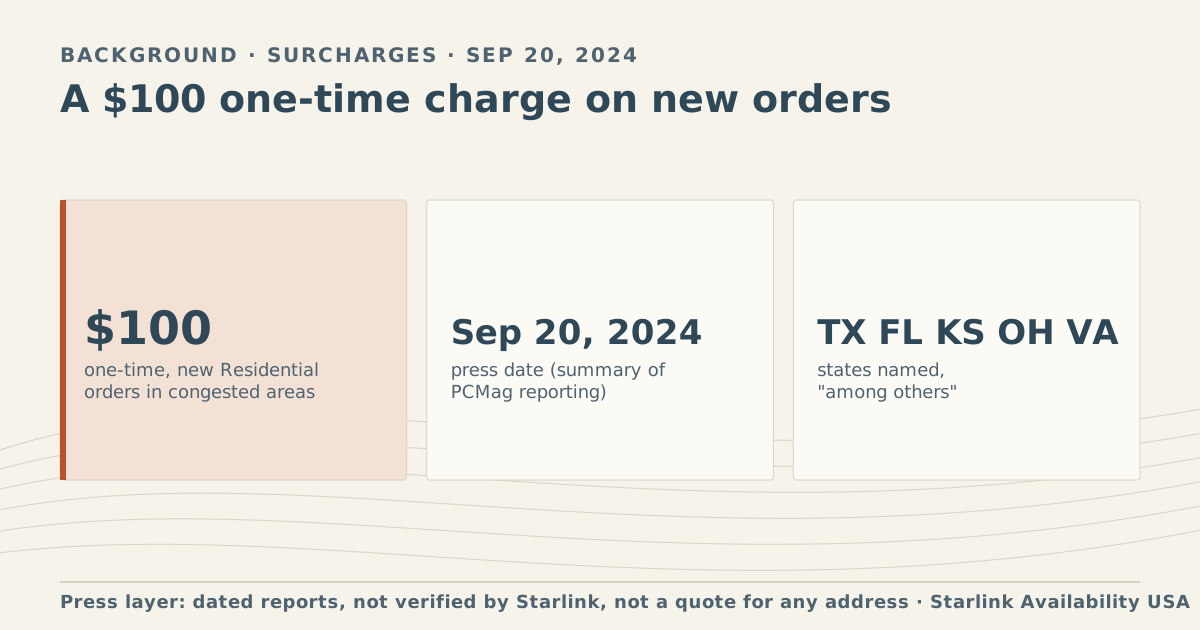
What changed
In September 2024, press reports said Starlink had started adding a one-time $100 charge to new Residential orders in areas with network congestion. A September 20, 2024 summary by Blandin on Broadband, based on PCMag’s reporting, listed Texas, Florida, Kansas, Ohio and Virginia “among others” as states where the charge appeared. It quoted Starlink’s checkout wording: “In areas with network congestion, there is an additional one-time charge to purchase Starlink Residential services.”
Starlink’s own help article on the topic, now titled “What is a demand surcharge?”, carries a creation date of September 11, 2024 in the help center’s data. So the charge and its explanation page appeared within days of each other.
What it means for you
This is where the fee people now call the demand surcharge (or congestion charge) started. The 2024 reports describe a charge that applied only when buying or activating a new service plan, not to people already connected. In the words quoted in the press summary: “This fee will only apply if you are purchasing or activating a new service plan.”
Since then the amounts reported in the press have gone much higher, and the list of triggers in Starlink’s help text has grown (see our timeline of surcharge changes and what triggers it). If you are reading old forum posts that say “it’s only $100”, check the date first.
Who was affected
- New Residential customers at addresses Starlink classed as congested.
- The press summary named states, not counties. We have no county-level detail for this period.
- Existing customers were not described as affected in the 2024 reports.
What you can check now
- Your checkout on starlink.com is the only real quote for your address. The fee, if any, shows up there before you pay.
- Compare what you see with the county surcharge map, which separates our crowd reports from dated press reports like this one.
What stays the same
The basic idea has not changed since 2024: a one-time charge tied to the service address, used where demand is high. Starlink’s help article still says the charge depends on “your service address” and “the service plan selected”.
What we don’t know yet
- Exactly which counties had the $100 charge in September 2024. The reports named states only.
- Whether the charge was ever applied in states the report did not list.
- The exact date the charge first appeared at checkout. The press date is September 20, 2024; the help article’s creation date is September 11, 2024.
Our data
None for this period. Our report form opened on October 5, 2026. This item is a press-layer entry and is not merged with crowd figures.
Source
Blog post on the $100 Starlink congestion charge and the states listed
Retrieved Oct 6, 2026
What is a demand surcharge? (Starlink support article) · article created 2024-09-11, last modified 2026-04-09
Retrieved Oct 6, 2026
Correction log
No corrections since publication.
Found an error? See corrections or contact. Fixes are made in place, dated and listed here.